Asbestos Survey Before Renovation in Older Florida Homes: What Buyers and Sellers Should Ask
@renewproperty673
Older homes in Florida carry a certain charm. Original terrazzo floors, cypress details, deep porches, block construction that has seen decades of summer storms, all of that can make an older property feel solid and full of character. But once a buyer starts planning updates, or a seller starts getting a house ready for market, another reality shows up fast. Renovation changes the risk picture.
That is where an asbestos survey before renovation becomes a practical question, not just a technical one.
In Central Florida, especially around Groveland, Clermont, Minneola, Mascotte, Howey-in-the-Hills, Mount Dora, Leesburg, and the rest of Lake County, older housing stock often changes hands with improvement plans already in mind. A buyer wants to open up a kitchen. A seller wants to freshen a bathroom before listing. An investor wants to replace aging finishes right after closing. Those are common scenarios. The problem is that once demolition starts, even light demolition, decisions that should have been made calmly before the work can suddenly become urgent and expensive.
Florida regulates asbestos work through licensure and abatement rules. The state requires licensed professionals to follow applicable work practices and notification rules, and licensed asbestos businesses must be qualified properly. Florida DEP also makes clear that asbestos abatement rules are designed to minimize fiber release during demolition and renovation. Some single-family homes and small residential buildings may be exempt depending on the project, but that does not mean the issue disappears. It means buyers and sellers should ask sharper questions before anyone starts cutting, pulling, or tearing out building materials.
Why the timing matters more than people think
A lot of people treat asbestos as a distant issue, something from another era that only comes up in industrial sites or major public buildings. In real property transactions, it is more ordinary than that. The important point is not fear. The important point is timing.
If a house is older and renovation is planned, the best time to think about asbestos is before work begins, while options are still open. Once renovation crews arrive, every decision gets more expensive. Delays start stacking up. Contractors have to stop. Materials may need to stay untouched until the right professionals evaluate them. Buyers who thought they were budgeting for cosmetic updates suddenly have to rethink scheduling, financing, and occupancy.
Sellers feel the pressure from the opposite direction. They may assume the buyer will handle any renovation-related issue after closing. Sometimes that is true. Sometimes a pre-listing conversation about the age of the home, the likely renovation scope, and any known prior work can prevent distrust later. Even when there is no legal requirement to solve every issue before sale, there is practical value in clarity.
This is especially true in Florida, where renovation planning often overlaps with other property concerns. Humidity, afternoon storms, seasonal roof and window leaks, and AC strain in the summer can complicate the picture. A house may already be dealing with indoor air quality Florida concerns tied to moisture or past water intrusion. If renovation starts without a clear plan, asbestos questions can collide with mold concerns, drying work, and occupancy issues all at once.
What an asbestos survey is really doing
People sometimes hear the word “survey” and imagine a broad home inspection with a few extra forms attached. That is not the right mindset. In the renovation context, the point of an asbestos survey is to identify whether materials affected by the planned work present an asbestos concern that needs proper handling.
That distinction matters.
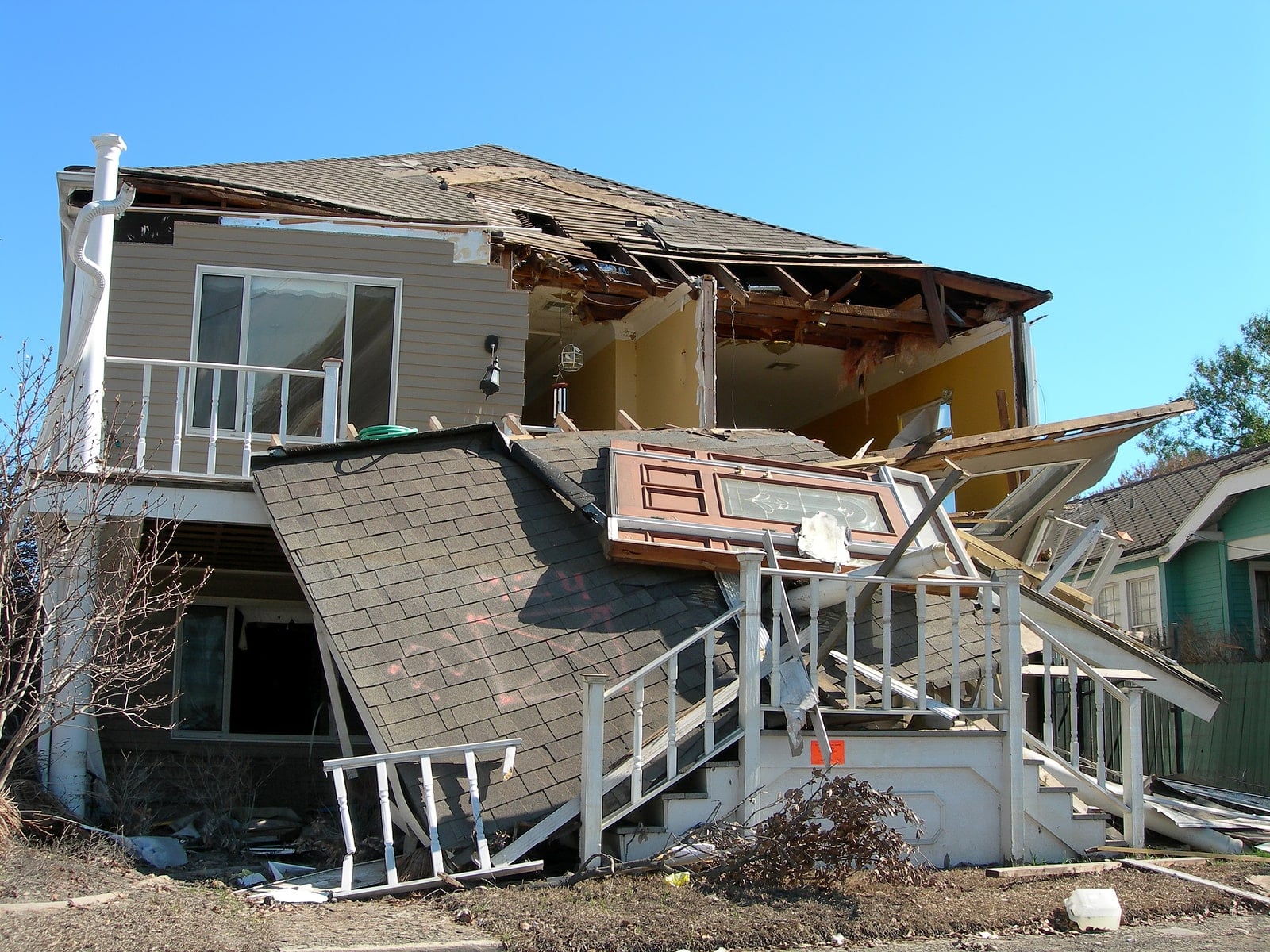
A casual walk-through is not the same thing as a renovation-focused assessment. A standard home inspection older homes Florida buyers order during a purchase may identify aging systems, deferred maintenance, and visible signs of trouble, but it is not a substitute for the licensed asbestos professionals Florida requires for regulated asbestos work. If renovation is the plan, the right question is not, “Did the house pass a normal inspection?” The right question is, “Has anyone evaluated the materials involved in the planned work before demolition starts?”
That one shift in wording tends to improve the whole conversation.
Buyers should ask better questions before they own the problem
Buyers often get pulled into finishes and floorplans. That is understandable. Renovation budgets are exciting when they are still just line items in a notebook. But the most useful buyers slow down and ask questions that sound a little less glamorous.
Here are five worth asking early:
- Has any asbestos survey before renovation been done for the areas we plan to disturb?
- What year was the home built, and what renovations have already been completed?
- Are there records of prior abatement, contractor reports, or permits tied to past work?
- If no survey has been done, who will evaluate that risk before demolition begins?
- If renovation uncovers a problem after closing, how will that affect schedule, budget, and move-in plans?
Those questions do two things. First, they force everyone to separate general property condition from renovation risk. Second, they expose whether the project planning is mature or just optimistic. I have seen plenty of buyers say they are doing “light cosmetic work,” only to realize a week later that the project includes opening walls, replacing ceilings, rerouting mechanicals, or removing built-in materials. At that point, the job is no longer just cosmetic in any practical sense.
A calm pre-closing conversation is cheaper than a panicked mid-demo pause.
Sellers should not wait for the buyer to bring it up
Sellers sometimes assume that discussing asbestos will scare people away. In practice, uncertainty scares people away more often than facts do.
If a seller knows a home is older and expects buyers to renovate, it helps to think one step ahead. That does not always mean commissioning every possible specialty assessment. It does mean being prepared to answer direct questions honestly. If prior work was done, gather records. If water intrusion occurred in the past, say what happened and what was done. If there are contractor notes, invoices, or remediation documents, keep them accessible.
That broader transparency matters because buyers rarely evaluate asbestos in isolation. They connect it to the entire risk profile of the house. If the same property has had leaks, long periods of vacancy, stale odors, or visible moisture staining, buyers may also start asking about mold myths they have heard, what mitigation vs remediation would look like if a problem is found, or whether indoor air quality Florida conditions have already affected the home.
The seller who can say, clearly, “Here is what we know, here is what we do not know, and here are the records we have,” usually puts the transaction on firmer ground than the seller who insists everything is fine without documentation.
The Florida piece buyers and sellers often miss
Florida is not just “another state with older homes.” The climate changes how renovation risk feels in real life.
Humidity hangs around. Afternoon storms are routine. Hurricane season preparation Florida homeowners talk about every year is not just about shutters and batteries. It is also about what moisture does to buildings before and after a storm season. Florida’s official hurricane season runs from June 1 through November 30, and preparation should begin before the season starts. For a house that is about to undergo renovation, that timing matters. If work opens up parts of the structure during storm season, or if a planned project gets delayed by weather, water intrusion can turn a straightforward remodel into a much more complicated property event.
That is one reason people in restoration and environmental work often look at the whole chain of risk, not a single issue. A renovation pause tied to an asbestos concern can leave schedules exposed. Then a roof leak or wind-driven rain enters the picture. Then buyers and sellers start dealing with the overlap between property manager water damage concerns, mold questions, drying equipment, and occupancy delays.
In a Florida house, issues like these rarely arrive one at a time.
Asbestos concerns and mold concerns are not the same problem
This is where people often get tangled. They hear “environmental issue” and group everything together. That leads to bad decisions.
Asbestos and mold are handled differently. Florida’s Department of Health advises people to look for signs of moisture or water damage and does not recommend mold testing or sampling as the first step. That guidance is useful because it steers owners toward the actual source of the problem. If a home has damp drywall, staining, or a musty smell after a leak, the first question is usually where the moisture came from and whether materials dried properly.
That is very different from the conversation around asbestos survey before renovation. One issue centers on moisture and microbial growth conditions. The other centers on whether planned disturbance of building materials triggers a need for licensed asbestos professionals and proper work practices.
This distinction matters during transactions because buyers often ask one broad question, “Do I need environmental testing?” That is too vague to help. It is better to break it apart. Is there a renovation plan that disturbs older materials? Then ask about asbestos. Is there evidence of moisture, leaks, or visible water damage? Then ask about moisture history, drying, and whether commercial mold remediation or residential remediation was needed.
People make better decisions when they stop treating all building hazards like one category.
What to ask if the house has a history of water intrusion
In Florida, water history deserves real attention, even when the original concern is asbestos. A house that has been through storms, roof leaks, plumbing leaks, or AC-related moisture problems can have a more complicated renovation path.
A short water damage checklist can help keep the conversation grounded:
- Where did the water come from, and when did it happen?
- What materials got wet, and were any removed or dried?
- Were dehumidification and air scrubbers used during cleanup?
- Is there documentation from mitigation or remediation work?
- Has the affected area remained dry since the event?
That third question is more important than many owners realize. Dehumidification and air scrubbers are not interchangeable terms and do not automatically mean a job was done thoroughly, but asking about them can reveal whether the response was organized or improvised. The fourth question also matters because many people blur mitigation vs remediation. In plain terms, mitigation usually refers to immediate actions that reduce ongoing damage, while remediation addresses the underlying contamination or damaged materials more fully. In real projects, the line can feel messy, but the distinction helps buyers understand what kind of work was actually performed.
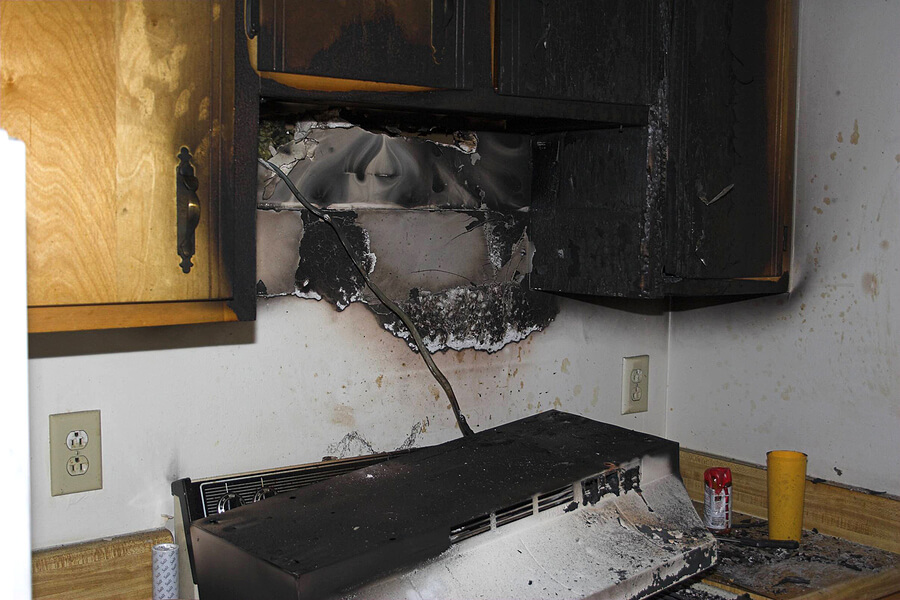
If a seller says, “We had a leak, but it was handled,” that is a starting point, not an answer.
Why older-home inspections do not settle everything
A good home inspection older homes Florida buyers order can be very valuable. It may reveal moisture staining, aging components, signs of prior patching, ventilation concerns, and deferred maintenance that changes the entire budget. But buyers get into trouble when they expect a general inspection to answer specialty questions by itself.
A home inspector can point you toward issues that deserve deeper review. That is not the same as conducting regulated asbestos work or making abatement decisions. In the same way, visible moisture history may justify further inquiry without turning the transaction into a full mold project on day one.
Experienced buyers understand that inspections are a decision-making tool, not a magic shield.
The practical value of licensed professionals
Florida’s licensing framework is not just bureaucratic paperwork. It exists because disturbance of asbestos-containing materials, and the work that follows, needs to be managed by properly qualified people under the rules that apply. Florida’s licensing pages state that asbestos contractor and consultant applicants must meet training, experience, and examination requirements, and business applicants must have a qualifying agent.

For owners, that means one simple thing. If a renovation raises asbestos questions, ask who is licensed to evaluate and perform the work. Do not settle for vague assurances from someone whose role is outside that licensed scope.
The same mindset helps in adjacent restoration fields. Industry groups such as the IICRC provide certifications relevant to cleaning, inspection, and restoration, including areas like microbial remediation, structural drying, and building moisture inspection. Certification alone is not a substitute for Florida asbestos licensure where asbestos rules apply, but it does tell you something about whether a contractor takes technical work seriously. Buyers and sellers do not need to become experts in every credential. They just need to ask who is qualified for the specific problem at hand.
Renovation planning in Lake County often becomes a sequencing problem
This is where local experience matters.
In Lake County and nearby parts of Central Florida, projects often run into a timing squeeze. The buyer wants to close before rates change or before school starts. The contractor wants to begin during a dry stretch. Hurricane season is approaching, or already underway. The AC is working hard, and the house has been vacant long enough to feel damp when you walk in. None of that guarantees a problem, but it increases the cost of getting the sequence wrong.
If a house needs both pre-renovation asbestos evaluation and moisture-related cleanup, the order of operations matters. If there was a recent leak, stabilization and drying cannot be ignored while everyone focuses on demolition plans. If smoke odor removal is also in the mix from a small prior fire event or heavy residual odor issue, that is another layer affecting occupancy and indoor air quality Florida conditions. The common thread is that older-house renovation is rarely one straight line from closing to paint colors.
Good project planning respects that. Bad planning acts surprised by it.
When a fast emergency mindset helps, and when it hurts
There are moments when speed matters. If a property takes storm damage or a pipe bursts, immediate response can protect the structure from getting worse. In that context, people understandably search for 24/7 emergency cleanup Lake County services and want someone on site quickly.
That urgency is appropriate for active water events and emergency stabilization. It is less useful when people start making specialty asbestos decisions in a panic. Emergency cleanup and regulated asbestos work are not the same task, even if they happen on the same property. Buyers and sellers should resist the temptation to let urgency erase scope. Ask what the immediate emergency response is supposed to accomplish, and ask separately what licensed specialty evaluation is needed before renovation resumes.
That small pause can prevent a rushed job from turning into a larger liability.
A few judgment calls that come up often
One of the hardest parts of these transactions is that there is no single script. Two houses of similar age on the same street can present very different risk profiles. One may have clean records, a dry history, and a modest renovation scope. Another may have patchwork repairs, visible staining, odor issues, and an ambitious remodel planned right after closing.
That is why judgment matters more than slogans.
A buyer planning significant updates should generally care more about pre-renovation due diligence than a buyer intending to live with the home as-is for years. A seller marketing to renovators should usually expect sharper questions than a seller of a move-in-ready property with documented recent improvements. And any owner dealing with both age-related renovation and signs of moisture should be careful not to chase mold myths while ignoring the actual source of water.
The houses that create the most frustration are often not the worst houses. They are the houses where everyone assumed somebody else had already asked the right questions.
The questions that keep deals and projects on track
What buyers and sellers should ask is not mysterious. It just requires a little discipline.
Ask whether planned renovation will disturb older materials. Ask whether anyone has completed an asbestos survey before renovation. Ask who is licensed for the scope involved. Ask what records exist for prior work. Ask about leaks, drying, remediation, and whether the home has stayed dry since. Ask these questions before contractors are scheduled, before dumpsters arrive, and ideally before closing deadlines force everyone into shortcuts.
That approach does not https://restorehouse747.cavandoragh.org/fire-and-smoke-damage-cleanup-what-groveland-homeowners-should-expect-in-the-first-24-hours make an older Florida home less appealing. If anything, it makes the purchase more realistic.
People buy older homes in Florida because they see potential. The smart ones protect that potential by getting clear on risk while choices are still inexpensive. Once demolition starts, uncertainty has a way of charging overtime.